
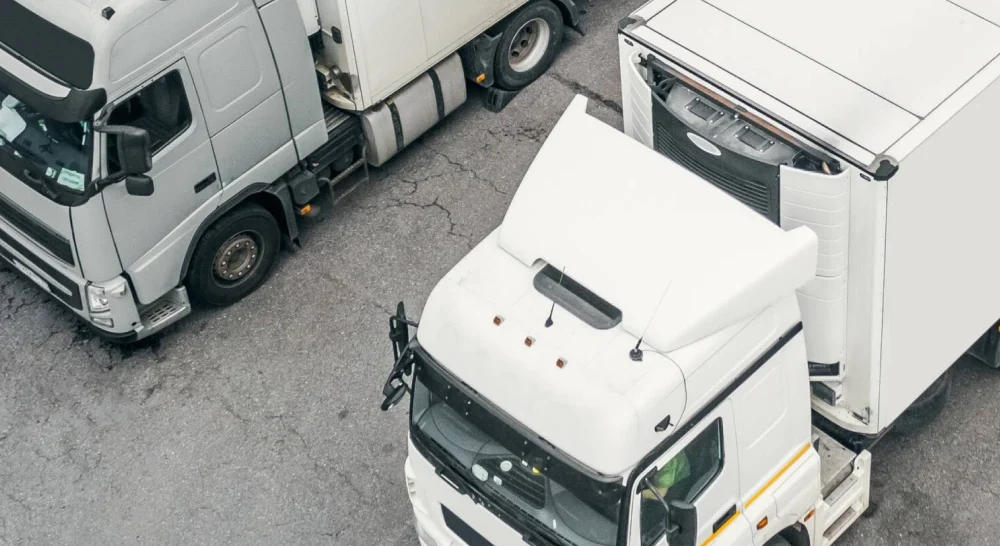
Explore how AI-enabled autonomous mobile robots are transforming warehouse operations through faster inventory movement, reduced manual effort, and 24/7 performance.
smart routing & modern delivery technology
Logistics providers typically see measurable improvements when implementing intelligent routing systems:
However, routing strategies are not one-size-fits-all. Modern platforms use real-time data, AI-driven optimization, and dynamic rerouting to adapt instantly—especially when conditions change unexpectedly.
“Smart routing isn’t just about speed — it’s about delivering smarter, reducing waste, and creating reliable delivery experiences at scale.” — Logistics Operations Specialist
delivery conditions that impact route performance
Your delivery network may require dynamic routing adjustments if you regularly face:
Operational Challenges Include:
External Factors Include:
In real-world logistics, conditions are rarely predictable. Smart routing systems continuously analyze these factors to maintain efficiency, even under pressure.
the hidden factors that affect delivery efficiency
Smart routing goes beyond maps and GPS. Daily operational habits, delivery density, and infrastructure constraints all influence overall performance.
Inefficient route planning can increase fuel usage, delay deliveries, and strain drivers. On the other hand, optimized routing reduces idle time, improves fleet utilization, and ensures consistent service levels—especially for last-mile operations.
From crowded city centers to regional delivery zones, understanding how routing decisions affect performance allows logistics teams to scale operations confidently and sustainably.